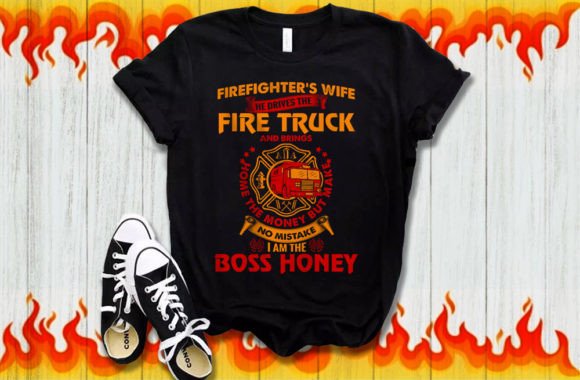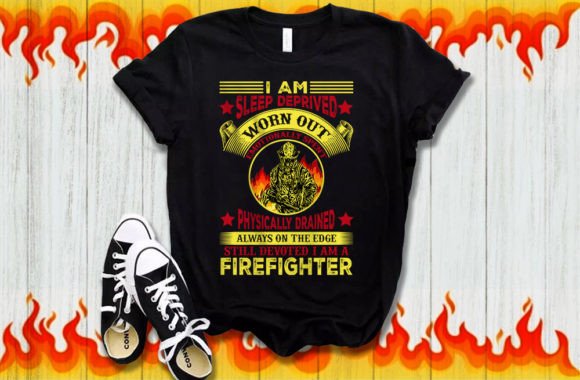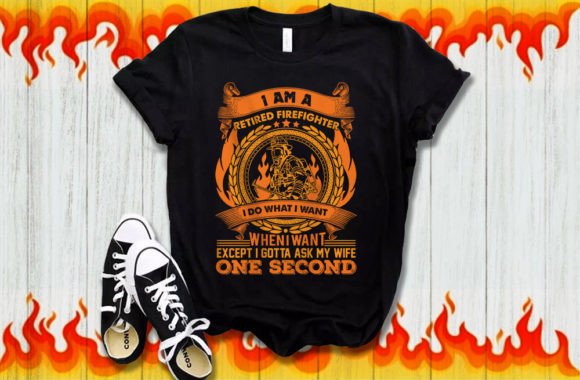
Firefighter T Shirt Design 10
A Designer’s First Look: Bold, Warm, and Immediately Recognizable
When Firefighter T Shirt Design 10 landed in my inbox for review, I paused before opening it—not out of hesitation, but because I knew this kind of theme carries weight. It’s not just a graphic; it’s a symbol of service, courage, and community. What struck me first was its confident simplicity: clean outlines, balanced negative space, and a layout that reads clearly at a glance—even from across a room. It doesn’t rely on photorealism or cluttered detail. Instead, it leans into strong silhouettes and intentional spacing, which is exactly what makes a machine embroidery design *work*, not just look nice on screen.
Real-World Test: Stitching It Onto a Custom Embroidered Tote Bag
Last week, I used Firefighter T Shirt Design 10 to embroider a sturdy cotton canvas tote for a local fire department’s annual fundraiser. The bag wasn’t a blank slate—it had subtle texture, slight weave variation, and a medium-weight drape. I chose a mid-density stabilizer (tear-away + light cut-away hybrid) and tested the design on scrap first. The result? Crisp satin stitch edges held beautifully, fill areas stayed smooth without puckering, and the overall shape remained legible even with the fabric’s natural give. Customers noticed it immediately—especially parents pointing it out to kids—and several asked where they could get one. That’s the quiet power of a well-balanced embroidery file: it builds connection before a single word is spoken.
Where It Shines—and Where It Needs Thoughtful Handling
Firefighter T Shirt Design 10 naturally fits sweatshirt embroidery, custom apparel, embroidered patches, and baby embroidery when scaled thoughtfully. Its open composition adapts well to curved surfaces like caps (with proper hooping and stabilizer), and its moderate detail level holds up on tea towels and pillow covers without bleeding or filling in. As a tote bag design or apron motif, it adds warmth and authenticity—ideal for boutique branding or small shop product lines.
But let’s be real: it’s not universally forgiving. On thin or stretchy fabric—like lightweight jersey tees or baby onesies—I’d recommend reducing scale by 10–15% and adding lightweight cut-away stabilizer underneath. Tiny lettering or fine interior lines (if present in the version you download) won’t resolve cleanly in under 3" hoop sizes or on highly textured fleece. And on dark fabric? Always test thread colors—especially if the design includes light-toned highlights. A stark white thread may read as harsh unless balanced with cream or heather gray alternatives.
Design Assets That Support, Not Sabotage, Your Craft Business
As an Etsy seller and embroidery product reviewer, I’ve seen how one digital embroidery file can lift—or drag down—a whole listing. Firefighter T Shirt Design 10 supports handmade presentation because it avoids over-engineering. There’s no excessive underlay, no unnecessary density spikes, and no fragile micro-details that vanish after two washes. That means less re-stitching, fewer customer complaints about stiffness or fraying, and more consistent finished product quality across your craft business inventory.
It also lends itself well to printable mockups. I dropped it into a neutral sweatshirt template (light and dark versions) and instantly saw how it elevated perceived value—no stock-photo polish needed, just honest clarity and intention. For holiday embroidery or personalized gifts—think “Proud Granddaughter of Firefighter Mike”—this design feels personal without being prescriptive. It invites customization rather than demanding it.
Practical Notes Every Embroidery Designer Should Run Through
- Always test the embroidery file on scrap fabric first—especially if stitching on knit, terrycloth, or layered garments.
- Review stitch density visually before sending to your machine. Dense fill areas should breathe; tight satin borders should stay sharp.
- Confirm hoop size compatibility. If your smallest hoop is 4"x4", check whether Firefighter T Shirt Design 10 fits comfortably within that boundary—or whether scaling is required.
- Inspect small details at actual stitch size, not just zoomed-in vector previews. What looks crisp on screen may blur when stitched.
- Test it in black-and-white mockups to assess contrast and hierarchy—this reveals how it’ll read on both light and dark fabric backgrounds.
- Use proper stabilizer for your fabric texture: tear-away for stable wovens, cut-away for knits, and water-soluble for caps or delicate layers.
- Verify licensing terms before selling finished products or bundling Firefighter T Shirt Design 10 as part of a commercial embroidery kit. The listing says it’s for “yourself, friends, family, or anyone who supports yo”—but clarify whether resale of physical items is permitted.
Final Thought: This Is a Design That Earns Its Place
Firefighter T Shirt Design 10 isn’t flashy—but it doesn’t need to be. It’s the kind of embroidery file that works quietly, reliably, and respectfully across custom apparel, nursery decor, holiday embroidery, and small business merchandise. It doesn’t shout. It stands. And in a world full of overdesigned graphics, that kind of restraint is rare—and valuable. Whether you’re prepping a batch of embroidered patches for a volunteer brigade or building a cohesive Etsy collection around appreciation themes, this design earns trust through clarity, consistency, and craft-aware construction. Just remember: even the best embroidery file is only as strong as the testing, stabilizing, and intention behind it.