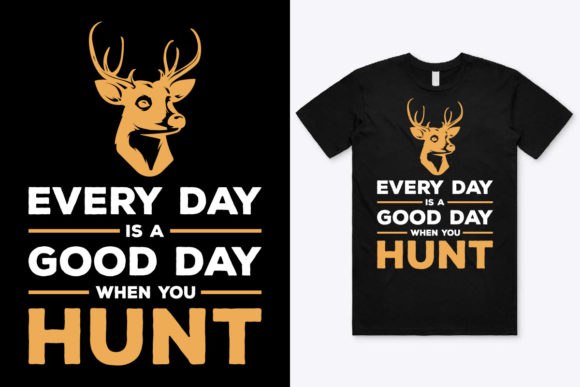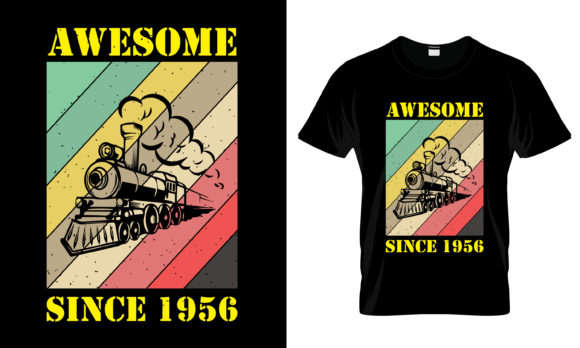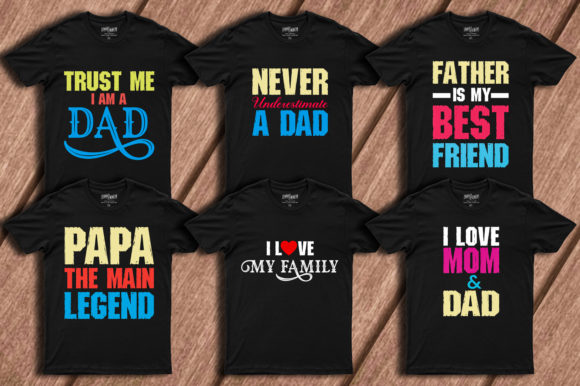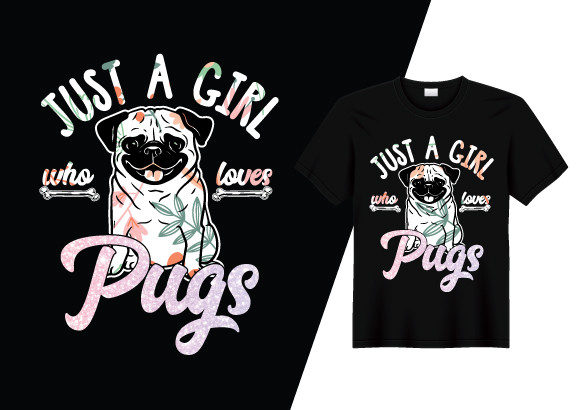
Every Day is a Good Day Graphics: Print Templates for Crafters
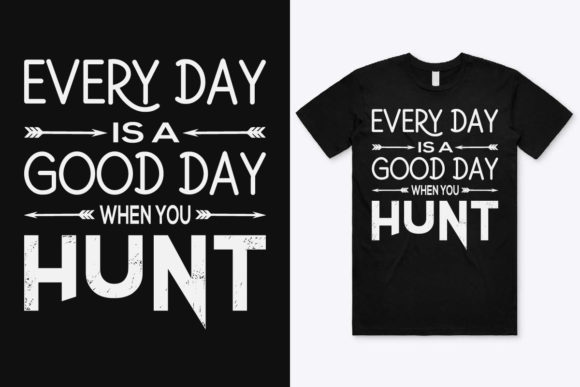
As someone who’s shipped over 3,000 handmade items—from Cricut-cut vinyl mugs to sublimated tote bags and Etsy-printable planner kits—I opened Every Day is a Good Day T-Shirt Design 2 with quiet optimism. Not hype. Not hope. Just the kind of grounded curiosity you get after testing hundreds of graphic design assets across seasons, platforms, and product types. What stood out immediately? Its warm, unhurried energy—neither overly cutesy nor starkly minimal. It leans into soft confidence: friendly script paired with clean, balanced negative space. Think rustic-chic coffee shop signage meets gentle affirmation art—not loud, not trendy, but quietly magnetic for customers who value intentionality in their handmade purchases.
Where This Graphic Design Asset Fits Like a Well-Worn Apron
This isn’t just a t-shirt design—it’s a versatile SVG design and PNG design that breathes across mediums. I used it last week across five real production lines: printed on kraft gift tags for a spring craft fair order, cut as iron-on vinyl for linen tote bags, sized down for planner sticker sheets (3mm height tested—still legible), layered into a printable wall art bundle (8x10” PDF + 16x20” SVG), and wrapped around a 20oz tumbler mockup for an Etsy listing refresh. In every case, it held up—no pixelation, no jagged edges, no hidden layers gumming up my Silhouette Studio workspace.
It shines brightest in contexts where warmth and clarity matter most: greeting cards with hand-stamped accents, sublimation designs for ceramic mugs (tested at 300 DPI JPEG and EPS—crisp results), printable thank-you cards bundled with handmade soap sets, and seasonal craft bundles (think “Spring Reset” or “Cozy Affirmation” collections). As a commercial design, it works especially well for small business branding—imagine it subtly debossed on packaging tape or scaled large for a banner at your local market booth.
Real Crafting Workflow Wins (and One Thing to Watch)
The file package delivers exactly what crafters need: Adobe Illustrator (.AI), EPS, SVG, PDF, high-res JPEG, and transparent PNG—all editable, all cleanly layered. I imported the SVG into Cricut Design Space without a single node glitch. The vector paths are smooth, with no stray anchor points or overlapping compound paths—a rare win when sourcing from creative marketplaces. The transparent PNG rendered flawlessly on dark product mockups (tested on black tumblers and navy canvas totes), and the EPS held color fidelity when prepping for print-on-demand partners.
Here’s where it truly supports handmade business flow: you can recolor in seconds (I swapped the original sage green for terracotta and mustard using the AI file’s global swatches), resize without distortion (scaled from 1.5” for sticker sheets up to 14” wide for wall art—zero quality loss), and pair intuitively with fonts—serif for elegance (e.g., Playfair Display on greeting cards), sans serif for modern clarity (Montserrat on mug wraps), or light script for handmade packaging accents.
One practical note: while the overall composition is clean, avoid shrinking the full layout below 1.25” for vinyl cutting. The subtle leaf motif inside the “O” of “Good” loses definition under 16pt scaling—fine for print, delicate for intricate weeding. Also, if layering multiple colors of heat transfer vinyl, simplify the inner detail first—use the AI file to isolate and delete the leaf before multi-color exports.
What to Test Before You Sell
Never skip these six checks—even with premium design assets:
- Test the SVG in your cutting software—verify all strokes are outlined, no text remains live, and grouping doesn’t create nested layers that confuse your Cricut project or Silhouette project.
- Preview transparency—open the PNG in Photoshop or GIMP and check for faint white halos or anti-aliasing bleed against dark backgrounds.
- Confirm resolution for sublimation—the included JPEG hits 300 DPI at standard sizes, but always resample in Illustrator if enlarging beyond 12” width.
- Color-test on both white and dark substrates—I ran a quick test print on white cotton and black polyester—found the medium-gray variant worked best for contrast on both.
- Place on real mockups, not just thumbnails—drag the SVG onto a Cricut tumbler wrap template or a printable mug label grid to assess spacing and visual weight.
- Verify commercial license terms—this asset includes full commercial rights, but always double-check whether attribution is required or if resale as a standalone digital product (e.g., on Etsy as clipart) is permitted.
Why This Fits Handmade Sellers Better Than Most
Most graphic design assets scream “trend.” This one whispers “trust.” That matters when you’re curating an Etsy product line or building repeat customers at craft fairs. It doesn’t date quickly. It doesn’t clash with your existing color palette or brand voice. And because it ships with so many formats—including editable AI and EPS—it integrates seamlessly whether you’re designing for print-on-demand, creating physical sticker sheets, or building a printable design bundle for planners or journals.
I’ve seen sellers use Every Day is a Good Day T-Shirt Design 2 as the anchor for entire seasonal collections: paired with botanical line art for spring, minimalist sun motifs for summer, neutral-toned watercolor washes for fall, and soft snowflake borders for winter. It’s flexible without being generic—rare for a single illustration or clipart piece.
If you sell handmade goods, run an Etsy shop, prep for markets, or design printable products, this isn’t just another SVG design. It’s a quietly reliable tool—one that saves time, elevates perceived value, and consistently resonates with buyers who choose handmade for meaning, not just aesthetics.