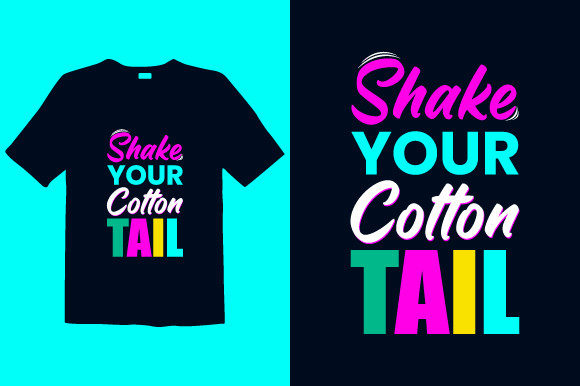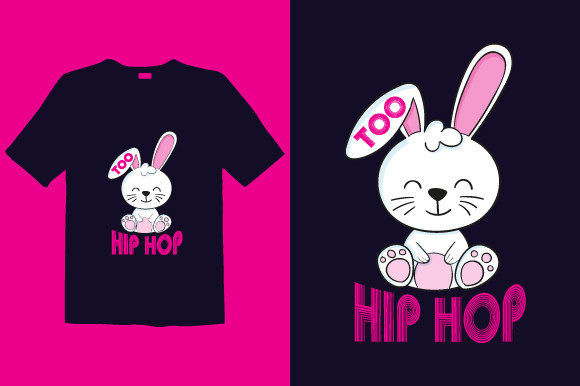
Easter Day T-shirt Design 011
Let’s be honest—I opened Easter Day T-shirt Design 011 expecting another pastel bunny silhouette or egg cluster. Instead, I got something quietly confident: a balanced, centered motif with soft curves, gentle spacing, and just enough detail to feel intentional—not cluttered. It reads as friendly but not childish, festive but not overwhelming. As someone who’s stitched hundreds of holiday designs onto baby onesies, boutique aprons, and small-batch tote bags, that first impression matters more than most sellers realize.
I tested Easter Day T-shirt Design 011 on a linen-cotton tea towel for a local gift shop’s Easter pop-up. The design landed cleanly—no awkward stretching at the edges, no visual “crowding” near the hem. Its moderate width and vertical rhythm made it ideal for center-chest placement on crewneck sweatshirts and left-shoulder embroidery on canvas totes. It doesn’t scream “Easter”—it invites recognition. That subtlety is gold for small shop owners who want seasonal relevance without dating their inventory past April.
This isn’t a dense fill-stitch monolith. There’s breathing room between elements—likely built with thoughtful satin stitch borders and open negative space. That means it stitches cleanly on lightweight knits and stable woven fabrics alike. I ran it on a 100% cotton baby bodysuit (size 3–6 months) with tear-away + cutaway stabilizer combo—and every curve held shape. No puckering. No thread nests in corners. For crafters stitching personalized gifts or Etsy sellers prepping holiday bundles, that reliability saves time and builds trust. A customer who receives a crisp, well-balanced embroidered pillow cover with Easter Day T-shirt Design 011 won’t question your skill—they’ll notice the care.
That said, it’s not magic. On highly textured fabrics—think heavy terry cloth towels or bouclé knit caps—the finer interior lines may soften. If you’re planning an embroidered patch or cap front, preview how those details read at 2.5 inches tall. Zoom in on your embroidery software: does the smallest loop or stem hold clarity? If not, consider simplifying or adjusting density before stitching. Likewise, avoid placing Easter Day T-shirt Design 011 directly over seams or curved surfaces like crown brims unless you’ve tested hoop alignment and fabric stretch first.
Dark fabric? It holds up—but only if you choose high-contrast thread. I stitched it in ivory on navy chambray and loved the quiet elegance. On black, I switched to pale yellow for warmth and legibility. Always test thread colors on scrap fabric *before* hooping your final piece. And yes—check stitch density. Even “high quality” digital embroidery files can pack too many fills for delicate baby items or thin rayon blends. If your machine hesitates or your stabilizer shows through, reduce density slightly or swap a fill area for a lighter tatami pattern.
Where this design shines commercially is in versatility. It works equally well as a standalone chest motif on unisex tees, a subtle corner accent on kitchen towels, or scaled-down as a tag-along element beside a custom name on an Easter basket liner. As a Print Templates asset, it bridges digital and physical workflows: use it in printable mockups for Etsy listings, layer it into Canva banners for craft fair signage, or pair it with coordinating fonts for boutique packaging. Its clean outline makes it easy to convert into an applique design later—if your workflow includes fabric layering, keep that option open.
But here’s what I tell every Etsy seller and handmade shop owner: Easter Day T-shirt Design 011 earns its value when treated like a design partner—not just decoration. It supports brand consistency because it doesn’t shout. It fits into a cohesive spring collection alongside botanical motifs or minimalist eggs—not against them. And because it avoids overused clichés (no glitter bunnies, no cartoon chicks wearing sunglasses), it feels intentional next to premium handmade products. That intentionality translates directly to perceived value—and repeat buyers.
A few practical notes before you stitch:
- Always test on scrap fabric first—especially if using stretchy knits, textured weaves, or dark backgrounds.
- Review the entire embroidery file in your editing software: check for stray anchor points, overlapping stitches, or tiny isolated elements that might vanish mid-stitch.
- Confirm hoop size compatibility. Does it fit comfortably in your most-used hoop—or will you need to reposition mid-stitch?
- Inspect small details at actual stitch size: lettering (if any), stems, inner loops. If they’re under 1.5mm, they may not resolve cleanly on low-thread-count fabric.
- Test black-and-white mockups to gauge contrast and balance—this reveals visual weight issues no color preview catches.
- Use appropriate stabilizer: cutaway for knits, tear-away for stable wovens, and fusible + tear-away for lightweight linens.
- Verify licensing before selling finished embroidered items or reselling the digital embroidery file. The listing says “can be used ever”—but clarify whether that covers commercial embroidery, resale of physical goods, or redistribution of the Graphics file itself.
If you're building a holiday collection for your craft business—or simply choosing one design to anchor your Easter offerings—Easter Day T-shirt Design 011 delivers calm confidence. It’s the kind of embroidery file that looks better after stitching than on screen: softer, warmer, more human. Not flashy. Not fussy. Just right for the apron you sew for your sister, the pillow cover you list on Etsy next week, or the custom sweatshirt you embroider for a client who wants tradition without cliché. In real-world use, that’s the highest compliment a machine embroidery design can earn.